Why Swimming Pools Smell Like Chlorine (vs Ozone Treatment)
A couple of years ago, I joined a gym that had a swimming pool. I signed up for a water exercise class because it looked like a great way to stay active, meet people, and have fun.
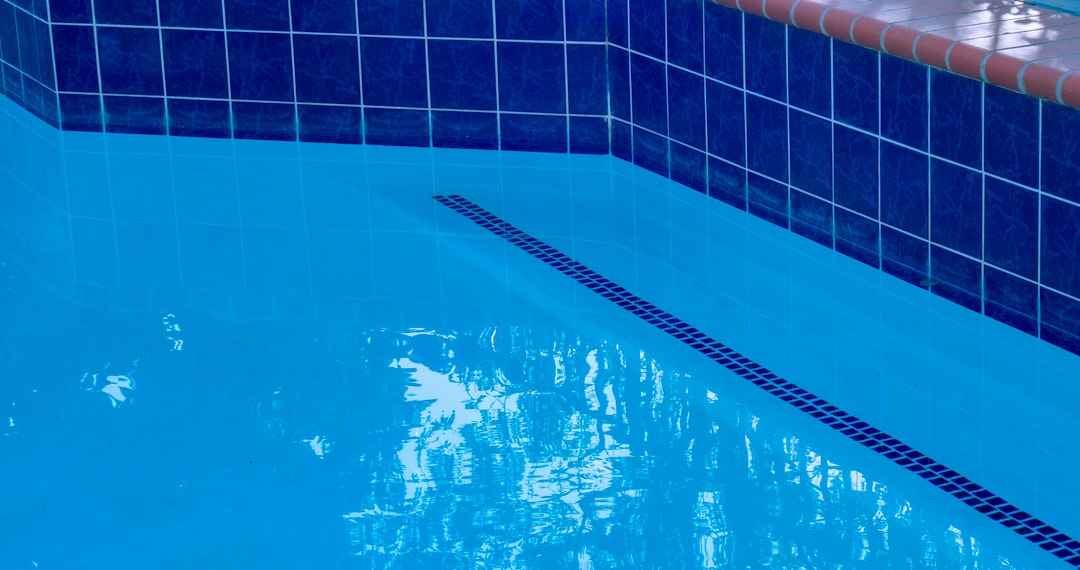
Before long, I noticed something odd. You could smell the pool before you even opened the door to the gym. It had that sharp chemical smell of chlorine, so strong that you couldn’t mistake it. I assumed that meant the pool must be extra clean.
The class itself was fun. Water exercise can be one of the best workouts. But after a few weeks, something else started happening. My skin became incredibly dry and irritated to the point I was concerned. I tried rinsing every time I went to the pool, but even that didn’t help. The chlorine smell stuck to my skin and swimsuit after I left the gym.
Eventually, it got bad enough that I had to stop going.
I never got used to the smell. What I didn’t realize then was that something else was happening in the chlorinated pool.
The Real Reason Pools Smell
I found that I wasn’t the only one. Many people assume the strong smell around pools is chlorine. According to the Centers for Disease Control and Prevention, the strong chlorine smell most people associate with swimming pools is often caused by chloramines, not chlorine itself.
The Role of Chloramines
Chlorine does not destroy these contaminants completely. Instead, the chlorine binds with them and forms the chloramines, which stay in the water.
Research published in Annals of Occupational Hygiene measured chloramines in the air of indoor swimming pools and found that exposure was associated with reports of eye and respiratory irritation among pool workers.
The stronger the smell, the more likely it is that the sanitizer is fighting a heavy contaminant load.
How the SP-3G Swimming Pool Ozone Generator Helps
This is one reason many pool owners and pool professionals are adding ozone to their water treatment systems. Pool professionals sell A2Z Ozone’s pool systems to reduce chemical requirements while improving water quality. Research published in the environmental engineering journal ACS ES&T Water shows that ozone pre-treatment can significantly reduce chlorine demand while improving pool water quality.
Ozone (O₃) is a powerful oxidizer and disinfectant. Studies comparing chlorine-only pools with ozone and a dose of chlorine improved microbiological water quality.
The SP-3G Swimming Pool Ozone Generator works quickly inside the circulation system to oxidize contaminants, while chlorine works slowly, providing a lasting residual effect. In fact, you can use 60% less chlorine with an ozone-treated pool.

The SP-3G Swimming Pool Ozone Generator will help. Some of the things it does:
1. Oxidizes contaminants
It breaks down oils, lotions, sweat, and other organic material while chlorine reacts with them.
2. Sanitizes water directly
Ozone itself is a strong disinfectant and can inactivate many microorganisms in the water.
Because ozone handles much of the oxidation and sanitation work in the plumbing line, chlorine no longer has to do all the heavy lifting. Chlorine remains in the pool as a residual sanitizer, but the workload is greatly reduced.
That combination can significantly reduce the formation of chloramines.
What Pool Owners Often Notice
Over the years, we’ve spoken with quite a few customers who use ozone in their pools, and the feedback tends to be remarkably consistent.
People often mention:
- crystal clear, fresher-feeling water
- much less of the chlorine smell
- softer-feeling skin after swimming
- hair that doesn’t feel stripped or brittle
- less irritation to the eyes and throat
Some even mention something I remember from that gym pool. They have no more swimmer’s cough afterwards.
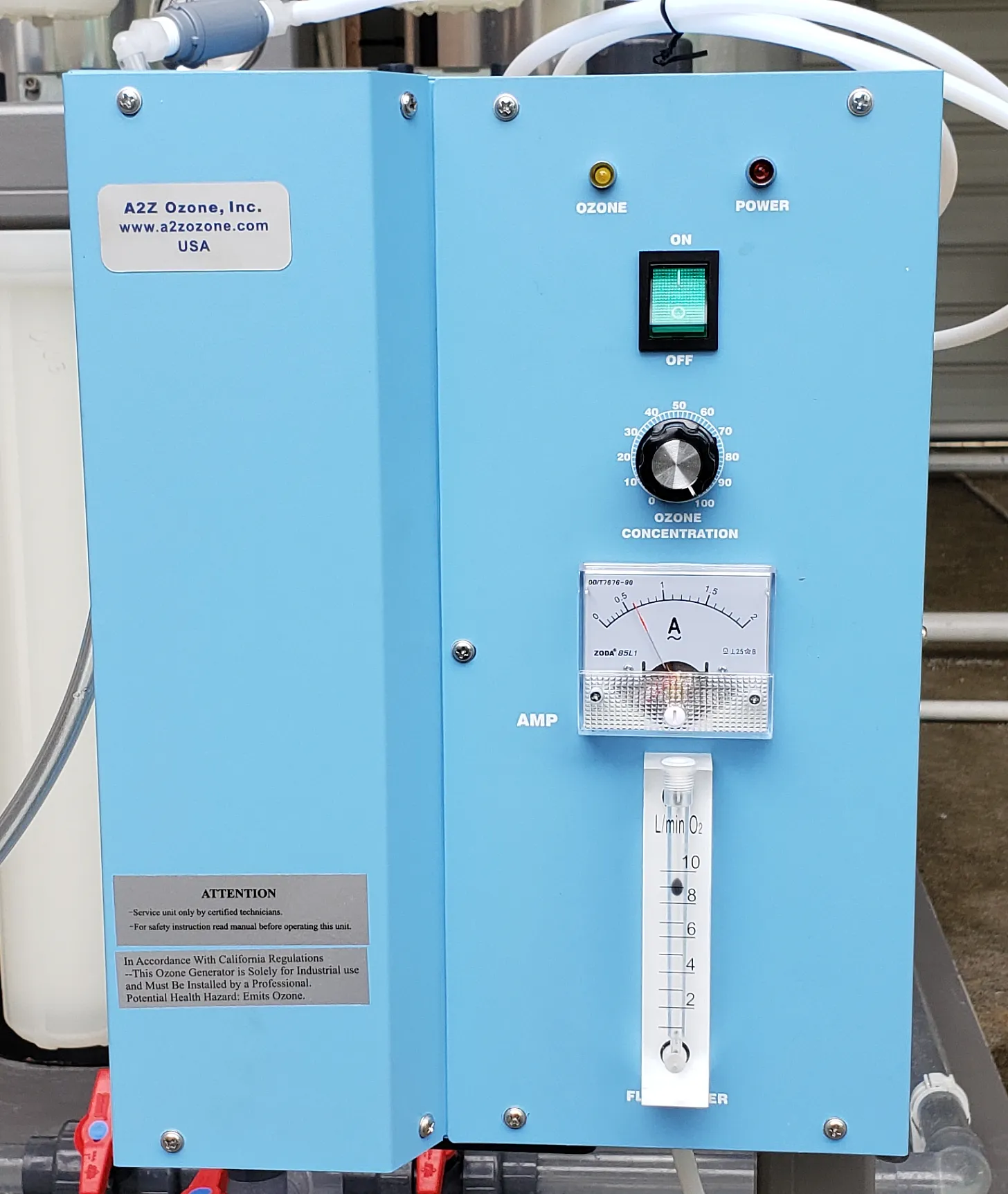
Systems like the SP-3G Swimming Pool Ozone Generator from A2Z Ozone introduce ozone into the water as it moves through the pool’s filtration system. The ozone reacts with contaminants in the plumbing line, too. That helps sanitize the water and break down organic material before chlorine has a chance to form chloramines.
So, the two sanitizers end up working together. Ozone handles fast oxidation and sanitation in the circulation line, while chlorine remains in the pool water as a longer-lasting residual disinfectant.
Thinking About Spring Pool Season
With spring approaching and pool covers starting to come off across the country, many pool owners are beginning to think about how they want their pool to run this season.
If you’ve ever walked into a gym and smelled chlorine before opening the door, you already know the problem I’m talking about.
The good news is that there are better ways to manage pool water today than there used to be.
For videos about ozone, visit our YouTube channel at:
https://www.youtube.com/@atozozone
Sources
Centers for Disease Control and Prevention — Chloramines and Pool Operation
https://www.cdc.gov/healthywater/swimming/aquatics-professionals/chloramines.html
ACS ES&T Water — Water Disinfection Systems for Pools and Spas
https://pubs.acs.org/doi/10.1021/acsestwater.4c00612
National Library of Medicine — Ozone-chlorine pool treatment study
https://pubmed.ncbi.nlm.nih.gov/32666262
A2Z Ozone technical resources